<h1>How These Helpful Bedtime Plants Can Improve Your Sleep Quality</h1>

<h2>Helpful Bedtime Plants</h2>

<p>If you're someone who has trouble falling asleep or staying asleep at night, you're not alone. In fact, according to the National Sleep Foundation, around 30% of adults experience some form of insomnia during their lifetime, and this can have a significant impact on your health and wellbeing.</p>

<p>Fortunately, there are many natural remedies that can help you get a better night's sleep - including helpful bedtime plants. In this blog post, we'll explore some of the best plants for promoting restful sleep, as well as tips for incorporating them into your bedtime routine.</p>

<h2>The Benefits of Bedtime Plants</h2>

<p>Before we dive into specific plants, let's take a moment to discuss why plants can be so beneficial for improving sleep quality. There are a few key reasons:</p>

<h3>Natural Air Purification</h3>

<p>Many indoor plants are excellent at purifying the air by removing toxins and releasing oxygen. This can create a healthier sleeping environment by reducing allergens and pollutants in the air.</p>

<h3>Relaxing Scents</h3>

<p>Some plants also release calming scents that can help you relax and unwind before bed. This can promote a sense of calmness and tranquility, making it easier to fall asleep.</p>

<h3>Visual Appeal</h3>

<p>Finally, the presence of plants in your bedroom can create a more pleasant and calming atmosphere. This can help reduce stress and anxiety, which are often major contributors to sleep problems.</p>

<h2>Best Bedtime Plants</h2>

<p>Now that we've established why bedtime plants are so beneficial, let's take a look at some of the best options:</p>

<h3>Lavender</h3>

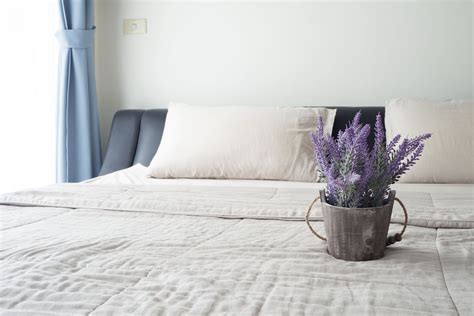
<p>Lavender is perhaps the most well-known plant for promoting relaxation and sleep. Its sweet scent has been shown to lower heart rate and blood pressure, making it an ideal choice for those who struggle with anxiety or stress-related insomnia. You can place a small pot of lavender on your bedside table, or use essential oil diffusers to release its calming aroma throughout the room.</p>

<h3>Jasmine</h3>

<p>Jasmine is another popular plant for improving sleep quality, thanks to its soothing fragrance. In fact, a study published in the Journal of Biological Chemistry found that jasmine oil can be just as effective as certain prescription sedatives in helping people fall asleep faster. If you prefer not to keep a live plant in your bedroom, you can also use jasmine essential oils or sprays to enjoy its benefits.</p>

<h3>Aloe Vera</h3>

<p>Aloe vera is a succulent plant that is known for its many health benefits, including its ability to purify the air. This can be especially helpful if you're sensitive to allergens or pollutants in the bedroom. Additionally, aloe vera releases oxygen at night, which can help improve air quality and promote restful sleep.</p>

<h3>Snake Plant</h3>

<p>The snake plant, also known as "mother-in-law's tongue," is another excellent air-purifying plant that can help remove toxins like benzene and formaldehyde from the air. It's also low-maintenance and can survive in low-light environments, making it a great choice for those who don't have a green thumb. </p>

<h3>Peace Lily</h3>

<p>The peace lily is a beautiful plant that can help improve air quality by absorbing harmful pollutants like ammonia and benzene. It also has a relaxing scent, which can help promote a sense of calmness and relaxation in the bedroom.</p>

<h2>Tips for Incorporating Bedtime Plants into Your Routine</h2>

<p>Now that you know which plants to choose, how can you incorporate them into your bedtime routine? Here are a few ideas:</p>

<h3>Create a Relaxing Atmosphere</h3>

<p>One of the most important things you can do to promote restful sleep is to create a relaxing atmosphere in your bedroom. This can include using soft lighting, playing calming music or nature sounds, and incorporating plants into your decor.</p>

<h3>Use Essential Oils</h3>

<p>If you don't have space for live plants, you can still enjoy their benefits by using essential oils or sprays. Simply add a few drops of lavender or jasmine oil to a diffuser or spray bottle, and use before bed to create a relaxing environment.</p>

<h3>Choose the Right Location</h3>

<p>When choosing where to place your plants, consider factors like light, temperature, and humidity. Most indoor plants prefer bright, indirect light and moderate temperatures - avoid placing them near drafty windows or air conditioning units.</p>

<h3>Water Regularly</h3>

<p>Finally, be sure to water your plants regularly to keep them healthy and thriving. Overwatering can be just as harmful as underwatering, so aim to strike a balance and check soil moisture levels regularly.</p>

<h2></h2>

<p>By incorporating helpful bedtime plants into your bedroom, you can create a more relaxing and restful environment that promotes better sleep. Whether you choose lavender, jasmine, aloe vera, snake plants, or peace lilies, be sure to care for them properly and enjoy their many benefits.</p>

<h2>FAQs</h2>

<h3>1. How many plants should I have in my bedroom?</h3>

<p>There's no hard and fast rule for how many plants you should have in your bedroom - it really depends on your personal preferences and the size of your space. However, one or two well-placed plants can be enough to make a difference in air quality and relaxation.</p>

<h3>2. Can plants really improve sleep quality?</h3>

<p>Yes! Many indoor plants are excellent at purifying the air and releasing calming scents that can help you relax and unwind before bed. Additionally, the visual appeal of plants can create a more calming and pleasant atmosphere in your bedroom, which can reduce stress and anxiety.</p>

<h3>3. Do I need to use live plants, or can I use essential oils instead?</h3>

<p>You can certainly use essential oils if you don't have space for live plants, or if you prefer not to care for them. Just be sure to choose high-quality oils and use them safely - some oils can be irritating or even toxic if used improperly.</p>

<h3>4. How often should I water my plants?</h3>

<p>Most indoor plants prefer moist soil, but not too wet. Aim to water them every 1-2 weeks, depending on the plant's specific needs and the humidity level in your home. Be sure to check soil moisture levels regularly to avoid overwatering or underwatering.</p>

<h3>5. What other natural remedies can I use to improve sleep quality?</h3>

<p>In addition to helpful bedtime plants, there are many other natural remedies you can try to improve sleep quality - such as practicing relaxation techniques like meditation or yoga, avoiding caffeine and alcohol before bed, and establishing a regular bedtime routine. </p>
Post a Comment for "How These Helpful Bedtime Plants Can Improve Your Sleep Quality"